Search
592 results found for “thoughts”
-
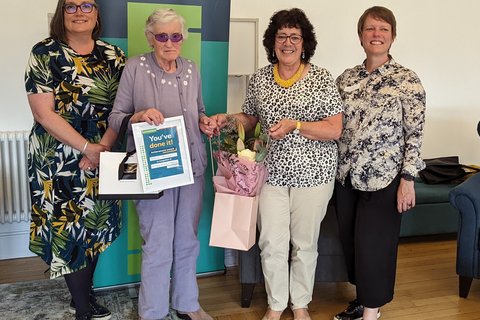
Power of volunteers underlined by dedication in Dumfries
One of Samaritans’ longest-serving listening volunteers has been honoured as the charity recognises the contribution of its people during this year’s Volunteers Week.
- 20th June 2022
- News story
- Scotland
-
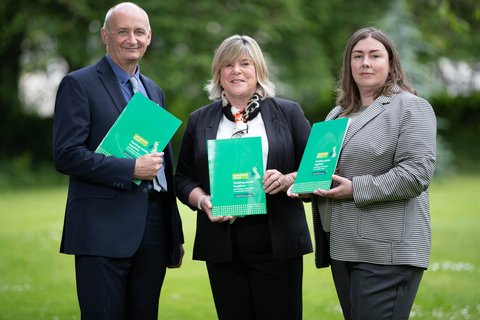
Samaritans Ireland put callers and volunteers at heart of new five-year plan
Samaritans Ireland has launched a new five-year national plan which aims to ensure fewer lives are lost to suicide across the island of Ireland.
- 6th June 2022
- Ireland
-
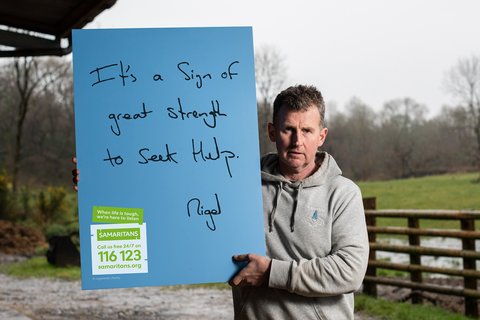
Nigel Owens MBE - Supporter
Former International Rugby Union Referee turned Farmer, Nigel has supported us for many years since revealing his own personal mental health struggles.
-
Aisha's story
"Because I’ve been on social media from a very young age and it’s been a part of my life for a long time now, I’ve learned how to take initiative for what I’m looking at and what I’m not."
-
Remembering Revd David Evans
It is with great sadness we share the news that Revd David Evans, listening volunteer for 38 years and former General Secretary of Samaritans, passed away recently.
- 27th April 2022
- News story
- All
-
Volunteers' Week toolkit
Help us thank our incredible Samaritans volunteers this Volunteers’ Week
-
Volunteering at Brierley Hill Samaritans – David’s Story
Hello, my name is David and I’ve been a volunteer at Brierley Hill Branch of Samaritans since 2002 - I'd like to share my experiences with you.
-
People living in rural Northern Ireland least likely to see emotional support when struggling to cope, Samaritans survey finds
Samaritans urges those in need to seek support
- 1st March 2022
- Press release
- Northern Ireland
-
Safer Internet Day
Supporting Safer Internet Day
- 8th February 2022
-

Samaritans responds to Government online safety announcement
The UK Government announce further measures to be included in its Online Safety Bill.
- 4th February 2022
- Press release
- All
-
Guidance for reporting on self-harm and suicide content online
When covering online content in news reports journalists should minimise any potential harmful effects on audiences by avoiding signposting vulnerable people to websites or forums which may contain dangerous content.
-
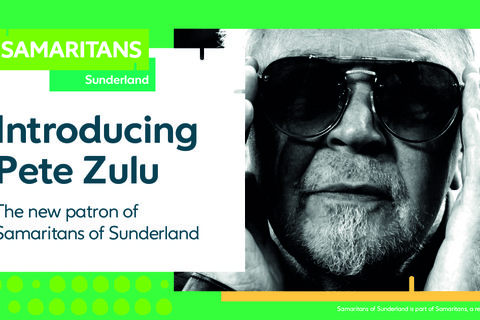
Meet our new Patron in Sunderland
Samaritans of Sunderland are honoured to have Pete Zulu as our Patron
-

Samaritans Ireland welcomes publication of the Online Safety and Media Regulation Bill (OSMR)
Samaritans looks forward to working with key stakeholders in the coming months.
- 24th January 2022
- Ireland
-
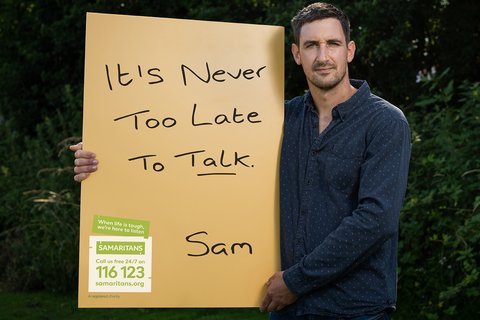
Sam's story for Real People, Real Stories
Sam, 32, is an arable farmer from Selby, Yorkshire. Watch Sam’s story for Real People, Real stories here.
-
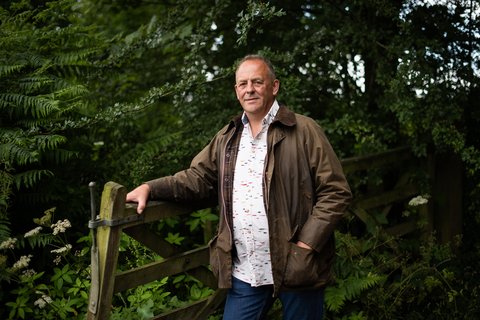
How Samaritans is encouraging men in rural communities to seek support
Real People, Real Stories aims to reach men who are struggling to cope, especially those who live in rural communities.
-
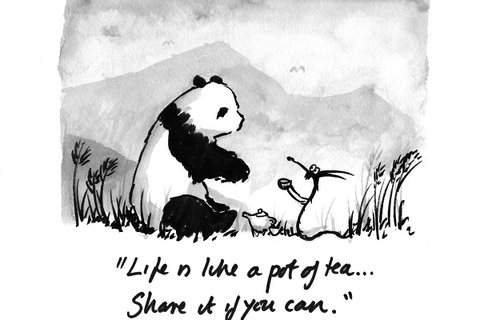
Artists tea-m up to depict power of talking for Samaritans ‘Brew Monday’ station takeover
Samaritans volunteers join Network Rail to host station outreach events, offering vital emotional support and a cuppa to key workers and those using the rail network this winter
- 17th January 2022
- News story
- Press release
- All
-
Brew Monday 2022 - Bridlington
Join us on the 17th January at Bridlington Train Station for a cuppa and a chat.
- 13th January 2022
-
Volunteers join station staff on Monday 17th January giving out cuppas to commuters at Stockport station for Brew Monday.
In a bid to power through the cold winter months, Stockport Samaritans, supported by Network Rail and the wider rail industry, is encouraging people to reach out to someone they care about for a cuppa
- 13th January 2022
-
'THERE’S ALWAYS TIME FOR A CUPPA AND A CHAT’
As we launch our annual Brew Monday campaign, Gloucester & District Samaritans encourage you to have a cuppa and a catch up with those whom you care about.
-
Paul's story
Paul, from Edinburgh, shares with us the phone call that changed his story and ensured he was here to celebrate Christmas with loved ones.
- 10th December 2021
- Blog
- News story
- Scotland


