I have a chronic mental illness: depression and anxiety. I was diagnosed back in 2001 when I went to see my GP and was subsequently admitted to hospital. Back then I had some knowledge about mental illness, but sometimes you don't see it until it actually happens to you. I lived in a small village in Cornwall at the time and they weren't very accepting of my situation. This can make you feel isolated and very lonely when those close to you don't have that understanding.
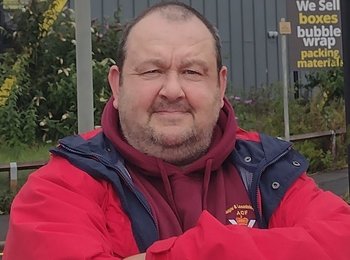
I think it's a generational thing and back then there was a lack of information available about mental health; there wasn’t much on the TV or celebrities coming out and sharing their own struggles. If you wanted information about mental health, you might find this in your GP surgery, but other than that, there wasn’t much. Nowadays this is more readily available, whether that’s in libraries, coffee shops, or even motorcycle dealerships. I would like to think we’re moving forward and increasing our knowledge.
Contacting Samaritans
Depression and anxiety is something that I live with. I know it’s always going to be there; I'll have bad times, and I’ll have difficult times, and it's knowing who I can go to for support. When I was in a crisis situation and feeling suicidal, Samaritans were my go-to. Sometimes I would phone my community service out of hours but couldn't always get through, and there weren’t the online support groups.
It was then that I thought, who else can I talk to? That’s when I first contacted Samaritans. I knew that they were there, and I knew that they would listen. I would call if I felt like I wanted to harm myself.
With Samaritans you have complete anonymity. It's up to you what information you wish to give and what you want to discuss. It's not a counselling session; they're not trying to bring things out – they’re just listening to you. What's a crisis to me might not necessarily be a crisis to someone else, but at the end of the day, it’s a difficult time I’m trying to deal with. This is always respected at Samaritans – there’s no judgment there. I encourage my friends to open up and if they are having a particularly bad time, to contact Samaritans.
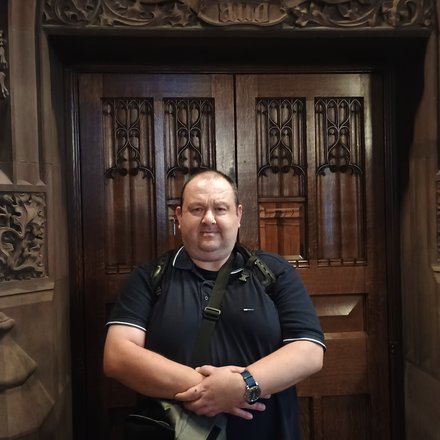
And to anyone else struggling, I would say don't feel afraid of what someone on the other end of the phone is going to think. Don’t think that what you’re saying is not of any worth, it's what it's worth to you that Samaritans care about.
Ross
I have done Facebook fundraisers to support Samaritans the last few years for my birthday. At the end of the day, if I can help someone else who is struggling like I have, then that's got to be a good thing. I always say it doesn't matter if it's a couple of pounds, it all adds up. It’s so important to support Samaritans’ work. Samaritans genuinely save lives. It has saved my life in the past and still continues to today.

