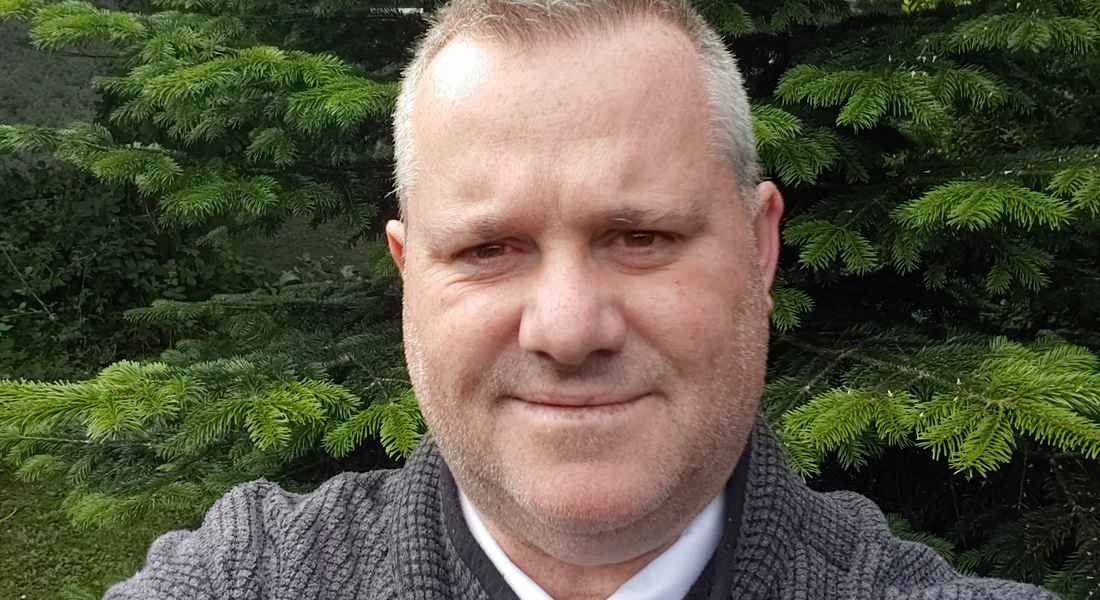
I was diagnosed with Bipolar 1 when I was 24, though I believe it’s been with me since I was a little boy. As a child, I was first told I had ADHD, but later it became clear that it was bipolar. It really came to the surface as I went through school, college, and university.
For many years, my mental health was unstable. I spent about eight years living in a flat on a tough council estate, most of them alone, which was awful. I was drinking heavily at the time and became an alcoholic - it was my way of coping. The loneliness, the intrusive thoughts, and the constant feeling of being trapped were overwhelming.
Between the ages of 25 and 30, I called Samaritans many times - probably twelve calls in all. Often late at night, when the thoughts became unbearable, I didn’t know who else to turn to. Other helplines were closed, but Samaritans were always there.
I remember one call in particular when I told them, “I want to end my life, but I can’t do it to my mum and dad.” That was the level of distress I was in. But every time, the person on the end of the phone just listened. They didn’t judge, they didn’t rush me, they listened. And that’s what pulled me back from the brink.
The conversations I had with Samaritans saved my life. I can say that, without hesitation. I’m alive because they were there when I needed them.
Eventually, I moved to North Wales after my parents relocated here. The difference was life-changing. I got access to an excellent mental health team who quickly realised I’d been on the wrong medication. They got me the right treatment and therapy, and things finally began to stabilise. I’ve now lived in supported housing here for nearly sixteen years, and it’s made a world of difference.
I stopped drinking five years ago, and I’ll never touch alcohol again. It only made everything worse. These days, I need to know exactly where I stand, emotionally, mentally, financially. I used to get into credit card debt, feeling trapped in that cycle, but I’ve learned to live differently now. I don’t do credit anymore; I need to see where my money’s going in real time.
Looking back, I can see how financial struggles, loneliness, and mental health all feed into each other. I imagine many people who phone Samaritans today are facing similar financial pressures. The cost of living is so high now, it’s enough to push anyone into a mental health crisis.
I’ve also lost friends to suicide, two or three people I was close to. One of them was also bipolar, I knew he’d had problems with his medication. That was devastating. You never really believe it can happen to someone you know until it does.
Being gay has also shaped my mental health journey. I grew up suppressing my sexuality, it wasn’t something I could easily talk about. I had my first boyfriend at 19 but didn’t fully come out until I was nearly 30. My family were against it at first, as I knew they would be, but I couldn’t hide such a crucial part of myself any longer. There’s still stigma even now.
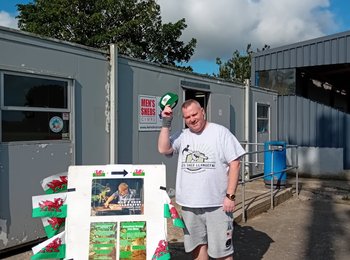
These days, I focus on staying stable, sane, and sober. I hope to continue my work at Men’s Sheds for the next few years and keep building a positive life.
The main thing I’d say to anyone in crisis is this: Samaritans saved my life. When you need to talk to someone, when you’re desperate, and you feel like there’s no way out, they’re there. They might not solve everything, but sometimes, having someone simply listen is enough to help you make it through the night.
Please make today the day you help prevent suicide.